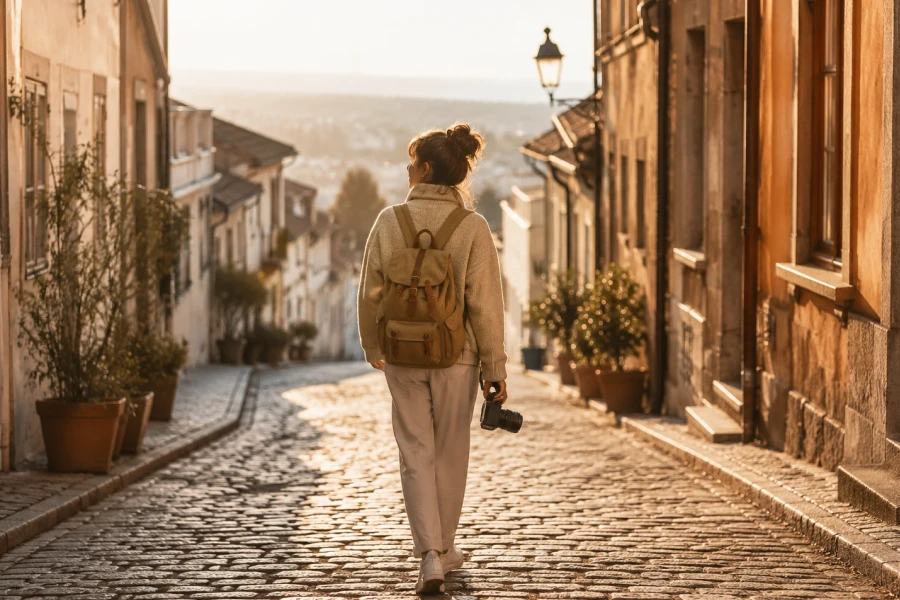
Solo travel confidence is built through safety, preparation, and repeated small decisions. It does not require a bold personality. It requires a plan that supports your nervous system. You need clear arrivals, simple routes, and realistic first-day goals. That structure helps you relax into independence. Many shy travelers discover they are more capable than expected. They just need a softer start. Confidence grows when success feels reachable. One safe step leads to another. Soon, independence feels less like a risk.
Arrival planning protects your first impression. A confusing arrival can make the whole trip feel intimidating. Choose transport before you land. Save the address offline. Know what the building entrance looks like. Keep essentials easy to reach. This reduces decision pressure when you are tired. With travel comfort planning, your arrival becomes predictable. Predictability supports confidence. You start the trip from steadiness, not panic.
Personal rules can make solo travel easier. They should be simple and protective. You might avoid late-night arrivals. You might choose central lodging. You might share your location with someone trusted. You might schedule quiet breaks daily. Rules remove repeated decision-making. They also help you honor your comfort level. A friendly travel mindset treats boundaries as strengths. You are not limiting the trip. You are designing it for success.
Everyday choices become confidence practice. Choosing breakfast alone can become a win. Finding a bus stop can become a win. Asking for directions can become a win. These moments matter because they prove capability. You stop waiting to feel ready. You act while feeling slightly nervous. Solo travel confidence grows through that exact pattern. Confidence-building travel tips help you notice progress instead of perfection. The trip becomes a series of manageable victories.
Solo travel does not need to mean constant solitude. It also does not require forced socializing. You can choose gentle forms of contact. A small group tour may feel easier than nightlife. A cooking class may feel easier than open-ended chatting. A hotel lobby conversation may feel enough. The best plan matches your personality. A social travel confidence approach avoids extremes. You create connection without draining yourself. That balance keeps the trip emotionally sustainable.
Recovery time is not wasted travel time. It keeps your confidence stable. Shy travelers often process more stimulation than they show. Crowds, signs, noise, and new routines can drain energy quickly. Short breaks protect enjoyment. They also prevent small stress from becoming overwhelm. Solo travel confidence lasts longer when rest is planned. Calm travel routines make rest feel intentional. You return to exploring with more patience. That makes independence feel easier to maintain.
The strongest confidence becomes repeatable. You know what helps you arrive calmly. You know which social situations feel manageable. You know how much rest you need. You also know that nervousness does not mean failure. These lessons travel with you. They make the next trip less mysterious. Solo travel confidence becomes a skill, not a mood. A practical courage exercises habit keeps that skill growing. Each journey expands your personal proof.

Leave a comment
You must be logged in to post a comment.