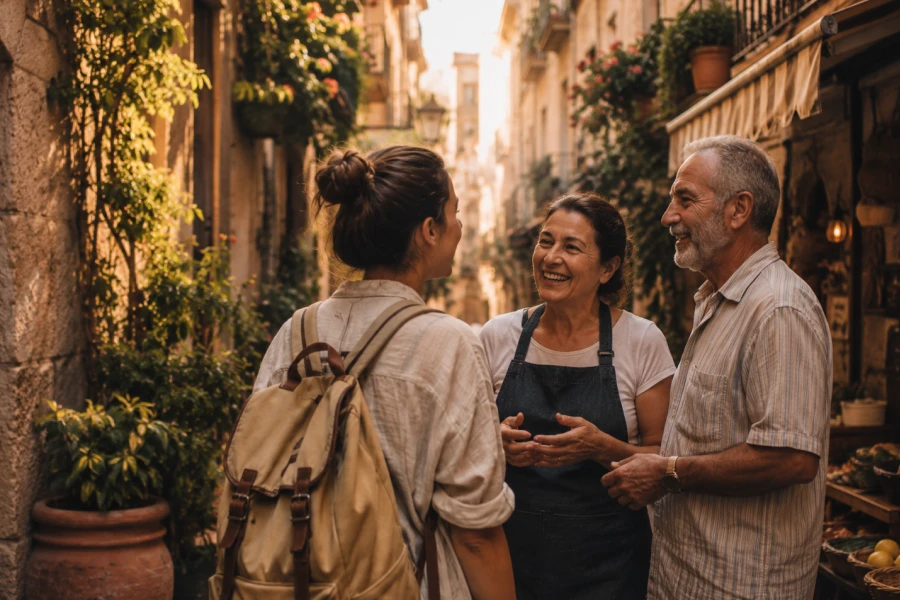
Immersion travel planning helps language learners turn curiosity into daily practice. It makes the trip more purposeful without making it rigid. You choose places where language appears naturally. You arrange days around real interaction. You leave space for surprise, mistakes, and discovery. That balance matters because immersion cannot be forced. It must be designed thoughtfully. The right plan invites practice at human speed. It also keeps learners engaged outside formal study. Curiosity becomes a travel method.
Everyday settings create the richest practice. Markets, bakeries, pharmacies, buses, and parks all offer language moments. These places feel less intimidating than formal conversations. They also repeat useful vocabulary. A learner hears phrases in context. Then the same phrases appear again later. That repetition builds confidence. With immersion destination research, travelers can choose areas that support daily use. The city becomes part of the classroom. Learning feels woven into normal life.
Speaking practice needs small openings. It rarely happens by accident. You can design days around simple exchanges. Order breakfast locally. Ask about a bus route. Visit a market with a short shopping list. Join a casual activity where conversation feels natural. These moments reduce fear through repetition. A local conversation practice plan helps make speaking unavoidable but manageable. You are not chasing fluency instantly. You are building comfort one exchange at a time.
Flexible structure keeps immersion from becoming exhausting. Too much structure makes the trip feel like homework. Too little structure leaves practice to chance. A balanced day has anchors and breathing room. One anchor might be a class. Another might be a neighborhood goal. The rest can stay open. Immersion travel planning works best when the learner can follow curiosity. Flexible flight timing supports that same mindset. Good structure makes freedom more useful.
Accommodation can affect immersion more than expected. A remote hotel may feel comfortable but isolated. A central guesthouse may create more natural interaction. A homestay can offer deeper language exposure. A quiet apartment may suit focused learners better. The right choice depends on personality and goals. It also depends on safety and budget. A language learning abroad approach considers daily routine, not only room quality. Where you sleep shapes where you speak. That detail matters.
Mistakes are part of immersion. They show where learning is becoming active. A forgotten word can become memorable. A misunderstood question can become a useful lesson. A corrected phrase can stay with you for years. Immersion travel planning should make room for that process. It should not demand perfection. Cultural learning journey experiences often include awkward moments. Those moments are not failures. They are proof that the language is being used.
The best immersion continues after returning home. Your memories become study triggers. A restaurant conversation reminds you to review food vocabulary. A train announcement reminds you to practice listening. A friendly mistake reminds you that communication still worked. This emotional connection strengthens future learning. Immersion travel planning creates those anchors intentionally. A travel study schedule can extend them into home practice. The trip becomes a launchpad. That makes progress feel personal and durable.




Leave a comment
You must be logged in to post a comment.